Why Indian Women Experience Greater Fatigue Than Men: Hormones, Haemoglobin, Stress Load & Vata Imbalance
Fatigue is one of the most common health complaints among Indian women. It affects professional performance, emotional stability, physical comfort, and overall quality of life. Yet the reasons behind women’s heightened fatigue are often misunderstood or dismissed.
Modern scientific research, combined with Ayurvedic interpretation, shows that women experience fatigue more frequently and more intensely due to a multifactorial interplay of hormones, haemoglobin levels, stress exposure, metabolic demands, posture stress, and cultural role expectations.
This article presents a scientific, evidence-aligned explanation of why Indian women feel more tired than men—not from weakness, but due to measurable biological and lifestyle factors.
1. Hormonal Physiology Places Women at Higher Risk of Fatigue
A. Menstrual cycle-related energy fluctuations
Across a typical 28–30 day cycle, energy levels shift due to varying levels of estrogen, progesterone, FSH, LH and prostaglandins.
– Follicular Phase (Day 1–12)
Energy is relatively higher as estrogen gradually rises.
– Ovulatory Phase (Day 13–15)
Peak estrogen → improved mood and energy.
– Luteal Phase (Day 16–28)
This is where most women experience:
- reduced energy
- breast heaviness
- fluid retention
- headaches
- lower sleep quality
- increased appetite
- mood fluctuations
Progesterone dominance in this phase increases basal body temperature and reduces deep sleep quality. Over months and years, this creates cumulative fatigue.
Menstruation
During menstruation, blood loss reduces available iron stores and may temporarily lower haemoglobin, especially in women with borderline deficiency. This reduces oxygen delivery to tissues, resulting in tiredness, breathlessness, and reduced stamina.
Takeaway:
Women naturally experience 8–12 low-energy days per month, which men do not experience physiologically.
B. Thyroid Disorders Are Significantly More Common in Women
Women are 8–10 times more likely to develop hypothyroidism. Even subclinical hypothyroidism can cause:
- persistent fatigue
- weight fluctuations
- slowed metabolism
- impaired concentration
Ayurveda correlates thyroid-related fatigue to Vata-Kapha imbalance, especially when aggravated by stress, irregular routines, or poor sleep.
2. Anaemia and Low Haemoglobin Levels Are Widespread Among Indian Women
India has one of the world’s highest rates of anaemia among women.
Studies indicate 50–70% of Indian women have low or borderline haemoglobin.
Why low haemoglobin causes fatigue
Haemoglobin transports oxygen to muscles, brain and tissues.
Low levels impair:
- cellular energy production
- physical stamina
- cognitive function
- thermoregulation
Women lose blood monthly; combined with dietary patterns low in iron, B12 and protein, fatigue becomes chronic.
Link to musculoskeletal pain
Low haemoglobin reduces oxygen in muscle tissues, contributing to:
- neck stiffness
- shoulder tightness
- early muscle fatigue
- reduced recovery capacity
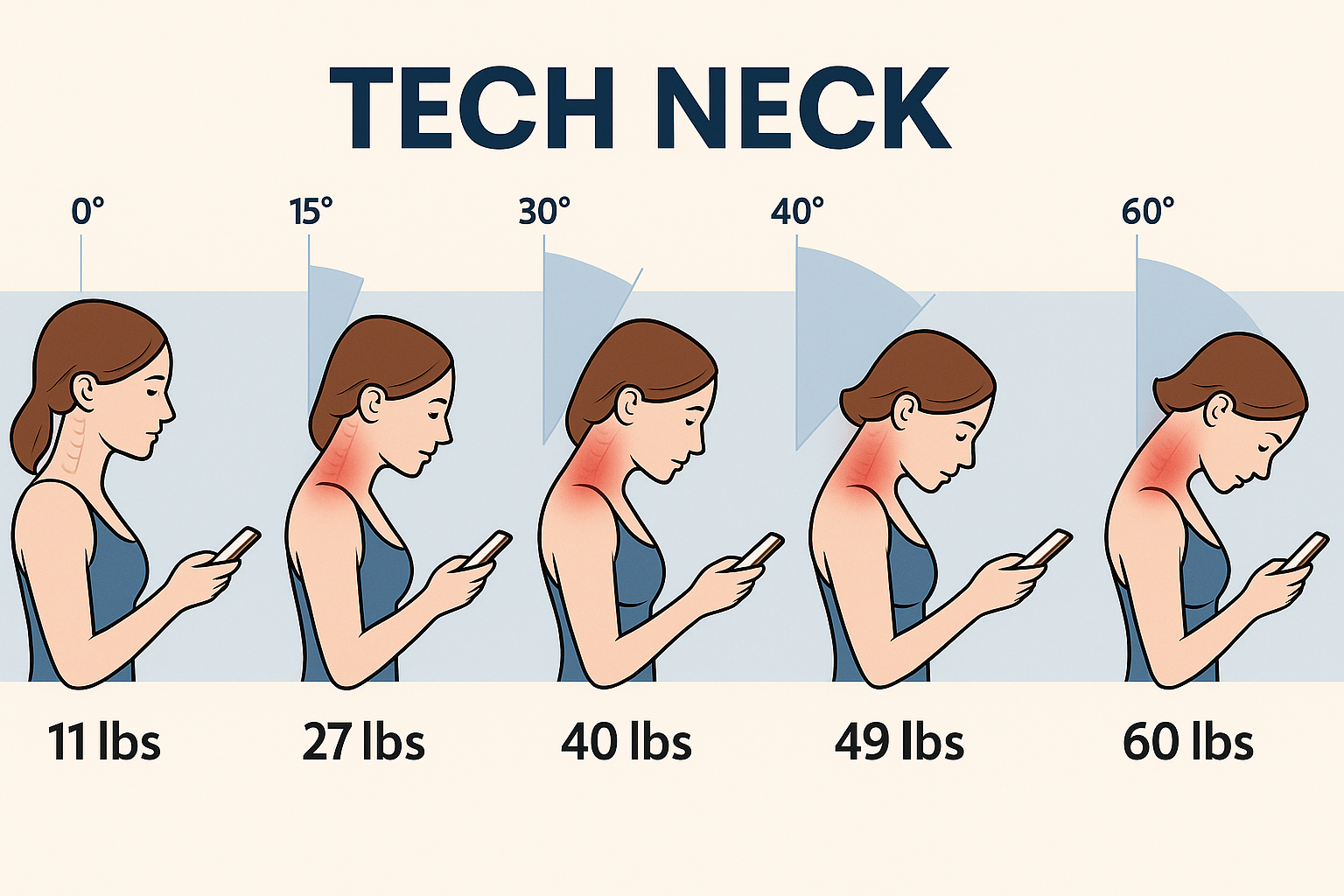
This ties directly to rising rates of tech neck and desk job pain in women.
3. Cognitive Load and Stress Exposure Are Higher
Mental fatigue is a measurable biological phenomenon.
Women disproportionately experience higher levels of:
- cognitive switching
- anticipatory planning
- emotional management
- multitasking
- role strain (professional + domestic)
The “dual burden” effect
Recognized by WHO as a key driver of women’s health strain, this refers to:
Professional workload + Household responsibilities
This results in prolonged activation of the HPA (hypothalamic–pituitary–adrenal) axis, elevating cortisol.
Chronic cortisol elevation → fatigue
- impairs sleep cycles
- reduces mitochondrial efficiency
- increases inflammation
- affects mood regulation
- contributes to musculoskeletal tension
Ayurveda interprets this state as Vata imbalance, where the mind and body enter an overstimulated, under-rested state.
4. Sleep Disruption Is More Common in Women
Modern medicine or ayurveda both have confirmed, sleep disruption is more common in women than men.
- difficulty falling asleep
- nighttime awakenings
- insomnia during PMS or menstruation
- sleep fragmentation during high-stress periods
Even mild sleep loss reduces:
- focus
- metabolic efficiency
- muscle recovery
- emotional tolerance
Scientific studies show women require slightly more sleep than men but typically get less, especially in urban Indian households.
5. Modern Lifestyle and Dietary Patterns Increase Fatigue
Urban lifestyle changes have introduced metabolic stressors that disproportionately affect women.
A. Irregular meals and low protein intake
Many women skip breakfast, eat low-protein diets, or rely on snacks rather than complete meals.
This leads to:
- unstable blood glucose
- energy crashes
- mood instability
- cravings
- reduced metabolic efficiency
B. High caffeine and sugar consumption
Tea/coffee with sugar spikes cortisol and causes rebound fatigue.
C. Sedentary behavior
Long sitting hours reduce circulation, stiffen muscles, and worsen posture-related fatigue.
Ayurveda associates these patterns with aggravation of Vata and weakened Agni (digestive fire), resulting in lower vitality.
6. Posture Stress and Biomechanical Load Are Higher for Women
Women experience unique musculoskeletal stress patterns due to:
- shorter average height (workstations not ergonomically designed for them)
- frequent leaning in kitchen tasks
- carrying uneven loads (bags, groceries, children)
- longer commuting hours
- higher prevalence of forward-head posture
High heels and postural impact
May women may not be wearing high heels but its becoming a trend. Wearing heels shifts the body’s center of gravity forward, increasing load on:
- lower back
- hips
- knees
- calves
This increases muscular fatigue and energy expenditure.
These biomechanical factors interact with hormonal and nutritional factors, amplifying perceived tiredness.
7. Psychosocial Pressures Intensify Fatigue
Women in India face unique psychosocial stressors:
- societal expectations
- performance pressure at work and home
- safety-related vigilance
- emotional management roles within families
These factors lead to sustained cognitive vigilance, which is a recognised cause of central fatigue.
Ayurvedic texts describe this as manasik vyadhi (mind-driven imbalance), primarily associated with Vata aggravation.
8. Vata Imbalance as an Ayurvedic Lens
Most scientific factors described above, poor sleep, irregular meals, stress, fast-paced lifestyle, irregular routines, overstimulation are classical triggers of Vata aggravation.
Vata imbalance produces symptoms including:
- fatigue
- anxiety
- dryness
- irregular digestion
- muscle stiffness
- unsteady energy
- sensitivity to stress
Ayurveda does not contradict science; instead, it provides a unified framework explaining why diverse stressors converge into the singular experience of chronic tiredness.
Conclusion
Indian women experience fatigue more acutely because of:
- cyclical hormonal variations
- higher rates of anaemia
- greater cognitive and emotional load
- irregular meal patterns
- sleep disruption
- biomechanical stress from daily activities
- psychosocial expectations
- Vata aggravation from modern routines
Fatigue is not a matter of character or resilience.
It is the result of measurable physiological, metabolic and lifestyle pressures.
Understanding these drivers is the first step toward creating supportive environments and healthier routines for women.
Why do women feel more fatigued than men?
Due to hormonal cycles, haemoglobin levels, stress load, sleep differences, and lifestyle pressures.
Does anaemia significantly increase fatigue?
Yes. Low haemoglobin reduces oxygen delivery, causing tiredness and reduced stamina.
Why is sleep more disrupted in women?
Hormonal fluctuations and increased cognitive load contribute to poor sleep patterns.
Does posture affect women’s fatigue?
Yes. Ergonomics, standing, kitchen posture and high heels can increase musculoskeletal fatigue.
How does Ayurveda explain women’s fatigue?
As a manifestation of Vata imbalance caused by irregular routines, stress and overstimulation.